Jeff Hollow Orchard
Our Story
A Michigan heritage orchard built around flavor, history, and the long game.
How It Started
It Started With an Apple
I didn't grow up on a farm. I didn't inherit an orchard. What I did inherit was a curiosity about old things — old tools, old buildings, old ways of doing things that worked before anyone decided to make them more efficient.
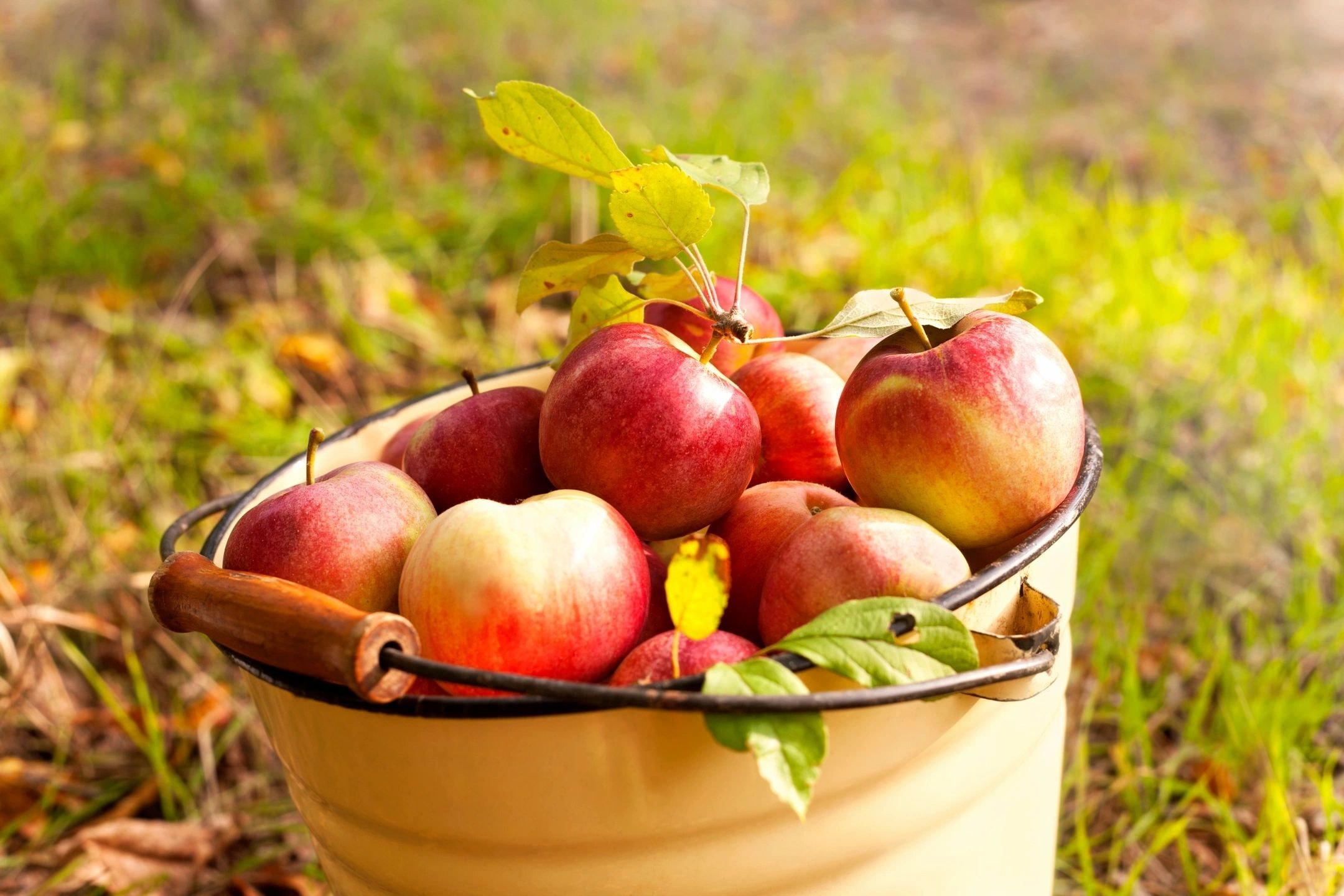
The apple obsession started the way most obsessions do: I tasted something unexpected. Not a supermarket apple — something from a farmers market, a variety I'd never heard of, with a flavor that had no business coming from a piece of fruit. That sent me down a rabbit hole I haven't climbed out of.
Most people have eaten fewer than five apple varieties in their entire lives. There are thousands. Varieties with names like Esopus Spitzenburg, Roxbury Russet, and Calville Blanc d'Hiver — apples that were grown in colonial America, served at Versailles, and pressed into cider in Somerset barns. Most of them are nearly impossible to find today. That felt like a problem worth doing something about.

Michigan Roots
Old Michigan Orchards
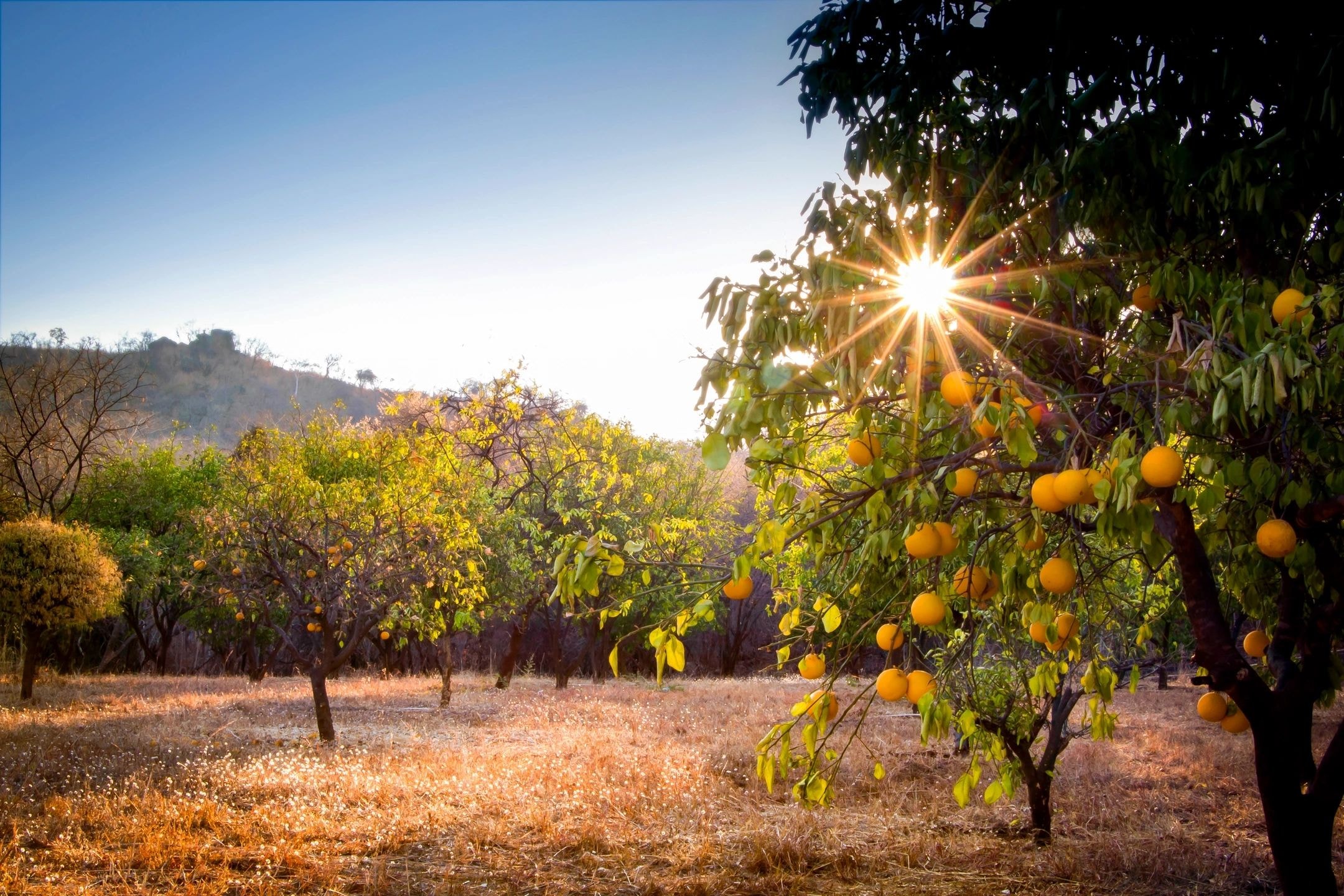
Michigan has one of the richest apple-growing histories in the country. The Great Lakes moderate the climate in ways that make the western side of the state genuinely exceptional for tree fruit. For over a century, Michigan orchards produced varieties that don't exist in commercial production anymore — Northern Spy, Snow/Fameuse, Detroit Red, Jonathan, Wealthy.
I love old Michigan orchards. The kind with weathered wooden signs, hand-painted prices, and a cider press that's been running since before anyone alive can remember. The kind where the farmer knows every tree by name. That's the tradition I want to be part of.
The Long Game
What Jeff Hollow Is Building Toward
Jeff Hollow Orchard is currently a small personal collection growing into something larger. I'm not going to pretend otherwise. The trees are young, the acreage is limited, and most of what I'm describing on this site is still in the future.
But the vision is real: a destination orchard with a living collection of historic apple varieties, a traditional cider house, a pumpkin patch, and eventually a haunted attraction that takes the Halloween season seriously. A place that feels like it's been here for generations, even if it hasn't.
The goal is to eventually acquire larger acreage and build something that future generations can actually use — not just visit, but learn from. An orchard that preserves agricultural history in the most literal way possible: by keeping the trees alive.
The Craft
Grafting, Experimenting, Growing Unusual Trees
One of the things I'm most interested in is grafting — the technique that allows you to preserve a specific apple variety indefinitely by joining a cutting from one tree onto the rootstock of another. It's how heritage varieties have survived for centuries, and it's how I intend to build the collection here. I'm learning the craft, experimenting with different varieties and rootstocks, and working toward a nursery of trees that would otherwise be difficult to find in Michigan.

In Memory
The Sharon Legacy Tree
One of the most meaningful projects I'm working toward is a multi-grafted apple tree in memory of my mother, Sharon.
The plan is a single rootstock carrying several compatible heritage varieties on different branches — one tree, many stories. Ashmead's Kernel is one variety I'm considering as a component: one of the oldest surviving English apples, with a flavor that improves dramatically with storage and a history that goes back to 1700.
I want it to be something that keeps growing long after I'm gone. That's the point.
What We Stand For
The Principles Behind Jeff Hollow
Preserve What's Worth Keeping
Heritage apple varieties are disappearing. The Living Apple Museum is about keeping them alive — not in a seed bank, but in the ground, growing and producing fruit.
Make It Genuine
No invented history, no fake reviews, no operating hours for things that don't exist yet. Jeff Hollow Orchard is honest about what it is and what it's working toward.
Build for the Long Term
Apple trees take years to establish. Cider operations take years to develop. Haunted attractions take years to build properly. This is a long-term project, and that's fine.
Follow the Progress
The Orchard Journal is where I document the actual work — acquiring trees, grafting experiments, research, construction, and everything in between. No fabricated entries, no invented milestones. Just honest progress.
Read the Journal